We have all been stuck there before. You are up on your phone or stressed about tomorrow. You are tired in the morning. You promise yourself you'll go to bed early, but it doesn't happen.
At first, you didn't think it was a big deal. Then you realize how much it's affecting your life. Everyone has a risk of having a sleepless night occasionally. When it keeps happening, it's a real problem. This really affects how you feel, how you focus, and who you are.
Over time, you'll notice that it's taking a toll and causing long-term illnesses. Stress and sleep are connected. When stress is high, sleep suffers, and when you don't sleep, stress increases. You feel tired. Know that stress and lack of sleep are impacting your health, body, and mind. You can't ignore the fact that stress affects your health. And to avoid this, you need to get proper sleep to remain healthy.
Also Read: Physical Activities for Mental Well-Being
Did you know different parts of the body are affected by stress and sleep deprivation?
The parts impacted by sleep deprivation and stress include the heart, immune system, weight, and mental state.
The day-to-day challenges can slowly increase your risk of health conditions, such as heart disease and other problems, over the long term, even if the effects are not immediately apparent.
The reality is that the damage from sleep deprivation and stress is cumulative. You could feel good for weeks or months, but then, after missing sleep over a period of time, little problems begin to build up.
Persistent sleep deprivation and stress eventually impact your daily quality of life. This is why the impact that stress and lack of sleep have on the body should not be underestimated.
The chances of preventing major health problems are a lot better when you know the warning signs of stress and lack of sleep, and you will avoid major issues, such as Chronic Disease. In this article, we will examine the interplay between sleep deprivation and anxiety.
We will review their relation to diseases such as heart disease. We will look at the relationship between heart disease and stress, as well as other health conditions. We will also review a few long-term symptoms of stress, blood pressure, and other factors that should not be ignored.
Stress and Sleep: A Two-Way Street
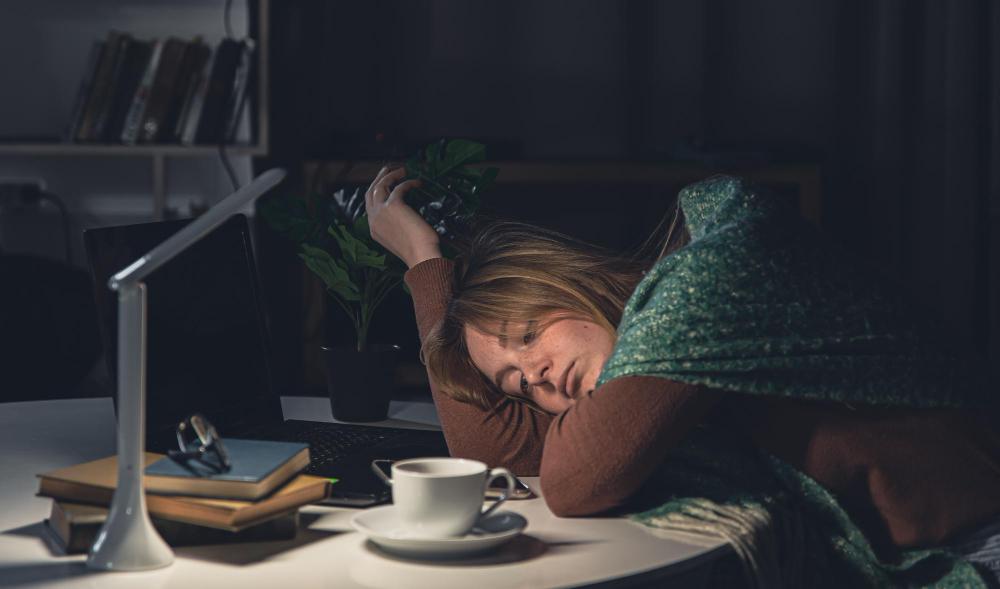
Stress and sleep are really connected. When you are feeling stressed, the mind can make it difficult to calm down or fall asleep. As a result, your sleep quality suffers. Conversely, poor sleep makes it even tougher for your body and mind to deal with daily things. Sadly, this pattern of stress and bad sleep often makes you more stressed.
Additionally, when you do not get enough sleep, stress hormones like cortisol keep your body in a state of constant tension. This can lead to high blood pressure and a weaker immune system.
The Link Between Stress and Chronic Disease

Our bodies can handle occasional mental stress. For example, a burst of adrenaline can help you stay safe or meet a deadline. When stress becomes a regular part of your daily life, it can adversely impact your health.
When you are stressed for a time, your body stays in "fight or flight" mode. Your heart beats faster, and your blood pressure stays high. You get more inflammation. This means you are more likely to get diseases, like heart problems, diabetes, and depression.
Sadly, a lot of people ignore these until they become too big to ignore. Headaches, stomach problems, and mood swings are often seen as parts of being an adult. They can be signs of something more serious, such as stress and sleep issues.
Also Read: Self-Care for Personal Health: 7 Daily Stress-Relief Habits
Mental Health: More Than Your Mood
I think people often believe that stress only affects their mood. Mental health is a lot more complicated than that. Mental health is much more complicated than that; mental stress can actually change how your body functions. You might start to have stomach problems, get a lot of headaches, or have trouble focusing when you are stressed. Chronic stress weakens your immune system, making you more susceptible to illness.
Mental stress can lead to various health care issues. When you live with chronic stress, you may develop habits that are detrimental to your health. You might start eating food, stop exercising, or drink too much caffeine or alcohol to deal with your mental stress. These things can actually make you more likely to get diseases when you are stressed.
Stress and Heart Disease: A Dangerous Connection
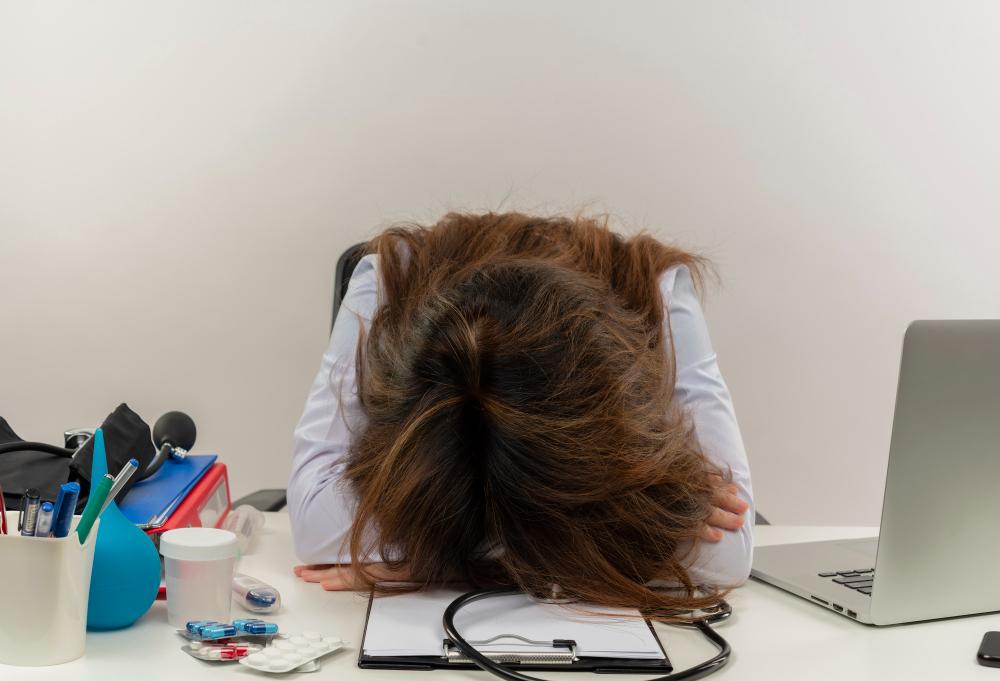
One of the primary risks of long-term mental stress is the damage it can cause to your heart. When you have stress, your body sends out hormones that make your heart beat faster, and your blood vessels get smaller. This extra pressure can damage your arteries. Your cholesterol can even cause problems with your heartbeat.
Additionally, individuals under constant stress are more likely to adopt habits like smoking, consume excessive caffeine, and alcohol to cope. These things can make heart disease more likely. Mental stress is a problem.
Unfortunately, heart problems can develop without you noticing. You might not feel anything is wrong until you have chest pain, get winded easily, or your heart starts beating fast. That is why it is so important to pay attention to your stress and how you sleep to keep your heart safe from mental stress.
Chronic Disease Causes: Why Sleep and Stress Matter
Chronic Diseases do not happen overnight. They are influenced by many factors, including the genes you are born with, your lifestyle, and the world around you. However, not getting enough sleep and being constantly stressed are two big things that can trigger Chronic Disease.
Not getting enough sleep affects your body. This makes it hard to control your weight. It can also lead to high blood pressure that can trigger Chronic Disease.
Stress is also a deal. It keeps your body ready to react. This makes your body get inflamed. It makes it hard for your body to fix itself when you are sleeping. This can cause Chronic Diseases to develop over time.
Also Read: Diabetes: A Guide to Naturally Reversing and Staying Fit While
As a result, you become more likely to get chronic diseases like:
- Heart disease and high blood pressure
- Type 2 diabetes
- Obesity
- Depression and anxiety
- Immune system problems
You should really listen to your body. The signs of stress are not always easy to see. A lot of people ignore the signs of stress. They think the signs of stress are a part of being an adult. If you notice these symptoms lasting for weeks or months, it may be time to make a change:
- You have trouble falling asleep or staying asleep
- You feel tired after a night of sleep
- You get headaches or muscle aches all the time
- You feel irritable, anxious, or sad all the time
- You have trouble focusing or remembering things
- Your stomach gets upset. Your appetite changes
- You start using caffeine, alcohol, or junk food to deal with things
- You stop doing things you like or stop seeing the people you love
These symptoms can add up over time. They make you more likely to get Chronic Disease. Sleep and stress problems are a deal. They can cause health issues. You need to take care of your body and mind to avoid Chronic Disease. This can be very serious, so you need to pay attention to your sleep and anxiety levels to prevent Chronic Disease from happening to you.
Small Steps to Break the Cycle
The news is that you do not have to make changes to see results. You can make changes and still see a big difference. The small things you do every day can really help with your anxiety, sleep, and overall health.
Here are a few simple ideas to get you started:
- Go to bed fifteen minutes early each night
- Turn off your screens thirty minutes before you go to sleep
- Take breaks during the day to breathe deeply or stretch
- Spend time outdoors, even if it is just for a walk around the block
- Talk with a friend or a loved one when you are feeling overwhelmed
- Try relaxing activities like listening to music, writing in a journal, or doing yoga
These small steps can make a difference in your life. You may find that you can fall asleep easily, wake up with energy, and deal with stress in healthier ways. Your anxiety, your sleep, and your overall health can all improve with changes like these. You can break the cycle with steps like these and see real results in your mental tension, your sleep, and overall health.
Final thoughts:
It seems very easy in today's society to believe that you have to deal with stress and lack of sleep. Most people are absolutely exhausted, telling themselves that they will catch up on rest later on, or that everyone experiences stress.
Your body remembers. Periods of stress and poor sleep can have consequences for your body, affecting how you feel and your energy levels. It affects your heart, your ability to fend off sickness, your digestion, and your overall well-being. This demonstrates how important it is to see stress and illness as being interrelated.
This does not mean you have to alter your whole lifestyle immediately. The effects that can be made are huge and are just by changing little habits, for example, going to bed a little earlier or taking a break every so often, as well as finding new coping mechanisms for stress.
Most of all, your body’s way of telling you it needs help. If you find that you are tired all the time, worried, or have trouble sleeping, do not assume these are normal; these could be your body's way of telling you it needs help.
Taking care of your health involves eating well and exercising. However, it also requires making time to sleep and manage stress, as well as sometimes just slowing down when necessary.
Often, the thing that you should be doing at the present moment is ensuring that you get a proper night's rest.